In any modern organization, the concept of continuous improvement is more than just a methodology; it represents a mindset that permeates every level of operation, from frontline employees to executive leadership. Continuous improvement is fundamentally about recognizing that no process, product, or service is ever perfect and that incremental enhancements, when pursued consistently, yield significant long-term benefits. At the heart of this approach lies the feedback loop, a structured mechanism by which information about performance is gathered, analyzed, and acted upon in order to refine processes and outcomes.
The feedback loop begins with observation and data collection. Organizations must actively monitor their operations, whether through quantitative metrics such as production rates, error frequencies, or customer satisfaction scores, or through qualitative insights obtained from employee and stakeholder input. This data collection is not passive; it requires careful planning to ensure that the metrics being measured accurately reflect meaningful aspects of performance. For example, tracking speed alone in a manufacturing context might overlook critical factors such as quality or safety, so a holistic approach is essential. By establishing clear indicators and measurement criteria, organizations can ensure that the feedback loop provides actionable insights rather than noise.
Once data is collected, the next stage involves analysis and interpretation. Raw data, while informative, does not inherently lead to improvement. Teams must examine trends, identify anomalies, and understand root causes of both successes and failures. Analytical techniques such as cause-and-effect diagrams, Pareto analysis, and trend mapping are invaluable at this stage, as they help distinguish between superficial issues and underlying systemic problems. The goal is to develop a comprehensive understanding of how various elements of a process interact and where intervention can yield the greatest benefits.
After analysis, the critical step of action planning follows. Insights from the feedback loop must translate into concrete improvements. This can involve small adjustments, such as revising a workflow to reduce redundant steps, or larger strategic changes, such as implementing new technology or revising organizational structures. Importantly, these actions should be specific, measurable, attainable, relevant, and time-bound to ensure clarity and accountability. Clear communication during this phase is essential; stakeholders need to understand both the rationale for changes and the expected outcomes. When employees see the connection between feedback and actionable improvements, engagement and adherence increase significantly, fostering a culture where continuous improvement becomes embedded in daily practice.
Implementation, however, is only the beginning. The feedback loop emphasizes iterative cycles, meaning that each change or adjustment should itself be monitored and evaluated. Performance metrics should be revisited to assess whether the changes are achieving the desired results and whether any unintended consequences have emerged. This iterative approach allows organizations to fine-tune solutions progressively, rather than relying on one-time fixes. By embracing this cyclical process, companies build resilience and adaptability, responding dynamically to both internal challenges and external market shifts.
Communication throughout the feedback loop is another essential component. Feedback must flow bidirectionally: frontline employees need to report challenges and observations to management, while leadership must convey insights, expectations, and support back to teams. When communication channels are open and transparent, the organization can capitalize on collective intelligence. Employees feel valued for their input, which not only generates richer data but also strengthens morale and commitment. Conversely, feedback loops that fail to engage stakeholders or that are treated as perfunctory reporting mechanisms risk stagnation, as employees may feel that their contributions do not lead to meaningful change.
Technology can greatly enhance the effectiveness of continuous improvement feedback loops. Digital dashboards, automated data collection systems, and real-time analytics enable faster, more precise insights. Machine learning algorithms, for instance, can detect patterns that might be invisible to human analysts, identifying opportunities for improvement or predicting potential issues before they escalate. Yet, technology is not a substitute for human judgment. The most successful continuous improvement initiatives blend the precision of data analytics with the contextual understanding, creativity, and critical thinking that only people can provide.
Organizational culture plays a pivotal role in determining the success of feedback-driven improvement. A culture that embraces experimentation, tolerates calculated risks, and views failures as learning opportunities will naturally support continuous improvement. Employees in such environments are more likely to provide honest feedback, propose innovative solutions, and remain engaged in iterative cycles. Conversely, cultures that punish mistakes or undervalue employee input may suppress the very insights needed to drive progress, rendering feedback loops ineffective. Leadership must model openness and a commitment to learning, demonstrating that improvement is a collective responsibility rather than a top-down mandate.
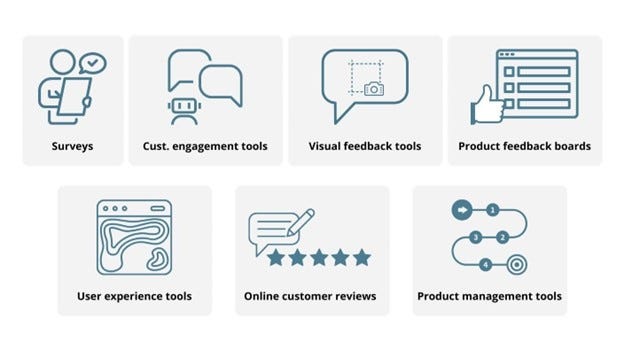
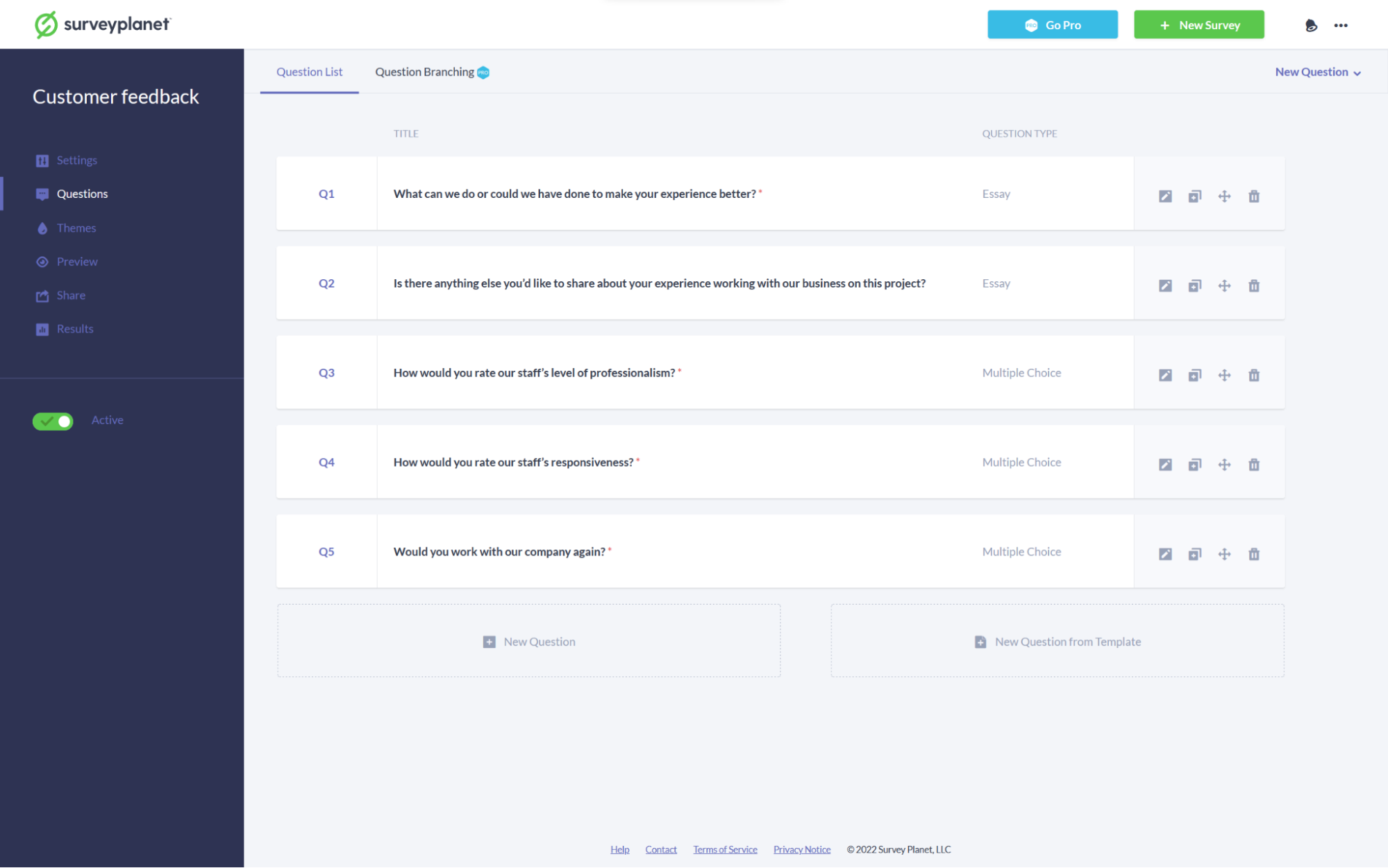
Feedback loops are not limited to internal processes; they extend to customer interactions as well. Customer feedback, whether through surveys, focus groups, social media, or direct engagement, provides invaluable information about product quality, service experiences, and market expectations. Integrating this external feedback into improvement cycles ensures that organizational adjustments are aligned with real-world needs, enhancing competitiveness and relevance. In industries where consumer preferences shift rapidly, such as technology or retail, maintaining a strong external feedback component is critical to sustaining growth and innovation.
Ultimately, the continuous improvement feedback loop represents a cycle of perpetual learning. It encourages organizations to move beyond complacency, to seek understanding, to implement change, and to evaluate results in an ongoing, self-reinforcing process. The benefits are manifold: increased efficiency, higher quality outputs, greater customer satisfaction, and a more engaged workforce. By institutionalizing feedback as a core component of strategy and operations, organizations transform information into insight, insight into action, and action into sustained improvement, creating a virtuous cycle that drives long-term success.