In modern digital environments, the accuracy of data communication is a foundational pillar for operational efficiency, user trust, and informed decision-making. The methods used to convey data between systems, stakeholders, and end users significantly influence not only the perception of reliability but also the practical outcomes of business processes and personal interactions. Ensuring data accuracy requires careful consideration at every stage of transmission, including how data is encoded, transferred, validated, and interpreted. This emphasis on precision is particularly critical in industries where real-time decisions depend on the integrity of information, such as finance, healthcare, logistics, and digital entertainment platforms.
One of the primary considerations in accurate data communication is the choice of transmission protocols. Protocols dictate how information is packaged, sent, and acknowledged across networks. Commonly used protocols like TCP/IP provide built-in error checking and acknowledgment mechanisms, ensuring that data arrives intact and in the correct sequence. By contrast, protocols like UDP prioritize speed over reliability, making them suitable for streaming applications but less appropriate for environments where data integrity is crucial. Selecting the right protocol involves balancing speed, latency, and the potential impact of errors. Businesses must also assess network infrastructure, including bandwidth limitations, redundancy measures, and security features, to minimize the risk of data corruption or loss during transmission.
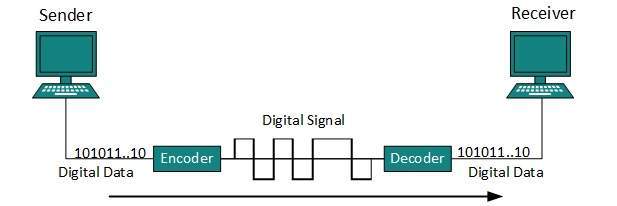
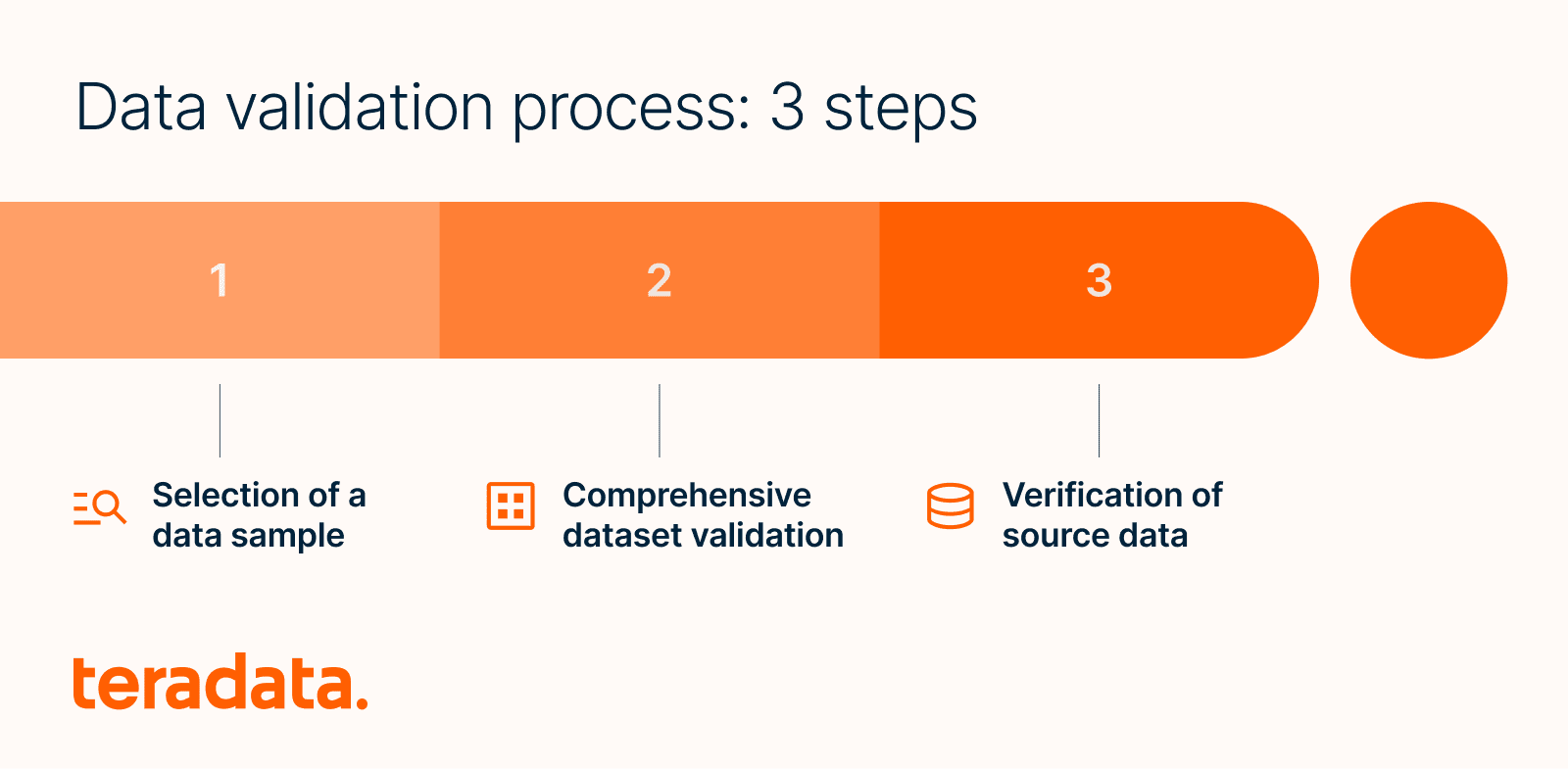
Beyond the protocol layer, the encoding and formatting of data play a pivotal role in maintaining accuracy. Structured data formats such as JSON, XML, and CSV provide consistent schemas that allow systems to parse and interpret information predictably. Proper formatting reduces the likelihood of misinterpretation, ensuring that numeric values, dates, and categorical variables retain their intended meaning. Validation rules applied at both the sending and receiving ends act as a safeguard against malformed or incomplete data. For instance, automated scripts can verify that numerical entries fall within expected ranges or that textual entries conform to predefined patterns. These checks, while seemingly minor, significantly enhance the reliability of communication, particularly in complex systems with multiple data sources.
Real-time monitoring and error detection mechanisms are also essential in promoting data accuracy. Systems that continuously track transmission performance can identify anomalies such as packet loss, latency spikes, or unexpected value deviations. Alerts triggered by these anomalies allow operators to intervene promptly, correcting errors before they propagate and compromise downstream processes. Advanced analytics, including machine learning models, can further enhance accuracy by identifying patterns that suggest recurring discrepancies, enabling proactive adjustments to both transmission and validation strategies. This predictive approach transforms reactive error handling into a preventive methodology, reducing downtime and preserving trust in the communicated data.
Human factors cannot be overlooked in discussions of data accuracy communication. Clear and unambiguous presentation of data to users, whether through dashboards, reports, or notifications, directly affects comprehension and decision-making. Visual cues such as color coding, thresholds, and contextual annotations help users interpret information correctly, mitigating misjudgments that arise from ambiguity. Similarly, automated summaries or alerts should emphasize critical deviations or anomalies without overwhelming users with extraneous details. Inaccuracies often stem not only from technical errors but also from miscommunication or misinterpretation at the human interface, underscoring the importance of design considerations that prioritize clarity and usability.
Security considerations intersect directly with accuracy. Data that is compromised through unauthorized access, tampering, or interception cannot be trusted, regardless of its original precision. Encryption protocols such as TLS/SSL safeguard data during transmission, while digital signatures and checksums ensure that any alteration in transit is detectable. Establishing robust access controls and audit trails provides additional layers of verification, allowing organizations to trace the origin and modifications of data. Together, these measures reinforce both the factual correctness and the perceived integrity of information, which are equally important for users and decision-makers.
Communication methods must also account for the scalability of operations. In distributed systems or large-scale networks, data often traverses multiple nodes, regions, or platforms. Each transition introduces potential sources of error, from format incompatibilities to latency-induced discrepancies. Standardization of communication protocols, coupled with centralized validation and synchronization mechanisms, helps maintain consistency across diverse environments. Cloud-based platforms and APIs that enforce strict input and output schemas further reduce errors by providing a controlled interface through which data flows. Scalability considerations extend to human workflows as well, ensuring that teams can rely on consistent information regardless of geographic or organizational distribution.
Feedback loops are another critical element in sustaining accuracy over time. Systems should not only transmit data but also track its reception and utilization, providing metrics that inform ongoing improvements. End-user feedback, system logs, and reconciliation reports all contribute to a cycle of continuous refinement, where errors are identified, sources are analyzed, and corrective measures are implemented. This iterative process ensures that communication methods evolve in response to both technical and operational realities, enhancing resilience and trustworthiness.
Emerging technologies are reshaping the landscape of accurate data communication. Blockchain, for instance, offers immutable records that guarantee the authenticity and sequence of transactions, making it highly suitable for financial, supply chain, and contractual applications. Similarly, real-time streaming platforms and event-driven architectures enable immediate detection of discrepancies, supporting environments where latency and precision are both critical. Artificial intelligence and automated reasoning tools can identify inconsistencies across datasets, suggest corrections, and optimize transmission pathways, reducing the cognitive load on human operators and increasing overall efficiency.
Ultimately, effective data accuracy communication is a multidimensional challenge that blends technical precision, human comprehension, and organizational discipline. Organizations must integrate robust protocols, validation mechanisms, monitoring systems, user-focused presentation, security safeguards, scalability solutions, and continuous feedback loops to ensure that information retains its intended meaning throughout its lifecycle. Neglecting any of these aspects can compromise not only operational efficiency but also user confidence and strategic decision-making. In a world increasingly reliant on data-driven insights, prioritizing accuracy in communication methods is not merely a technical concern—it is a fundamental component of trust, accountability, and sustainable performance.
The intersection of technology, human interpretation, and organizational processes highlights that accuracy is not a static property of data but a dynamic outcome of how information is communicated and managed. By emphasizing consistency, clarity, security, and feedback, systems can foster environments where data is both reliable and actionable, supporting informed decisions and positive outcomes. In this context, the methods of communication themselves become as critical as the content they carry, defining the effectiveness, credibility, and long-term value of the information ecosystem.



Be First to Comment