Gathering feedback from users is a critical process that informs the continuous improvement of products, services, and experiences. The way feedback is collected can dramatically influence both the quality and quantity of the insights received, shaping business decisions and user satisfaction alike. Understanding the nuances of feedback collection involves considering methods, timing, context, and user motivation.
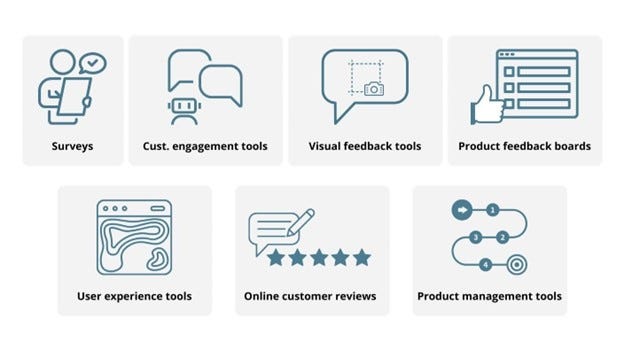
One essential aspect of effective feedback collection is simplicity. The process should be intuitive and unobtrusive, allowing users to share their thoughts without effort. If feedback forms are overly complex, lengthy, or require unnecessary steps, users may abandon them, leading to incomplete or biased data. Using clear, concise language and avoiding jargon ensures that users of varying familiarity with the platform can contribute meaningfully. Additionally, providing multiple channels for feedback, such as in-app prompts, email surveys, or direct support channels, caters to different user preferences and increases the likelihood of engagement.
Timing also plays a significant role in gathering actionable feedback. Feedback requests should ideally occur when the user’s experience is fresh and relevant. Prompting for input immediately after a key interaction—such as completing a transaction, using a new feature, or navigating a critical workflow—tends to yield more accurate and detailed responses. On the other hand, feedback requested too late risks losing context, as users may forget specific details of their experience, leading to vague or generalized responses. Balancing timing with frequency is also important; users should not feel overwhelmed by constant requests, which can create frustration and reduce willingness to participate.
Contextual relevance further enhances the feedback experience. Tailoring questions to the specific interaction the user has just completed increases clarity and demonstrates attentiveness. For example, asking about the usability of a checkout process immediately after a purchase allows users to comment on specific elements such as navigation, speed, or payment options. Generic or broad questions, while sometimes useful for overarching insights, often fail to capture actionable details. Segmenting feedback requests based on user behavior or demographic factors can also uncover more nuanced patterns, revealing insights that might be obscured in aggregate data.
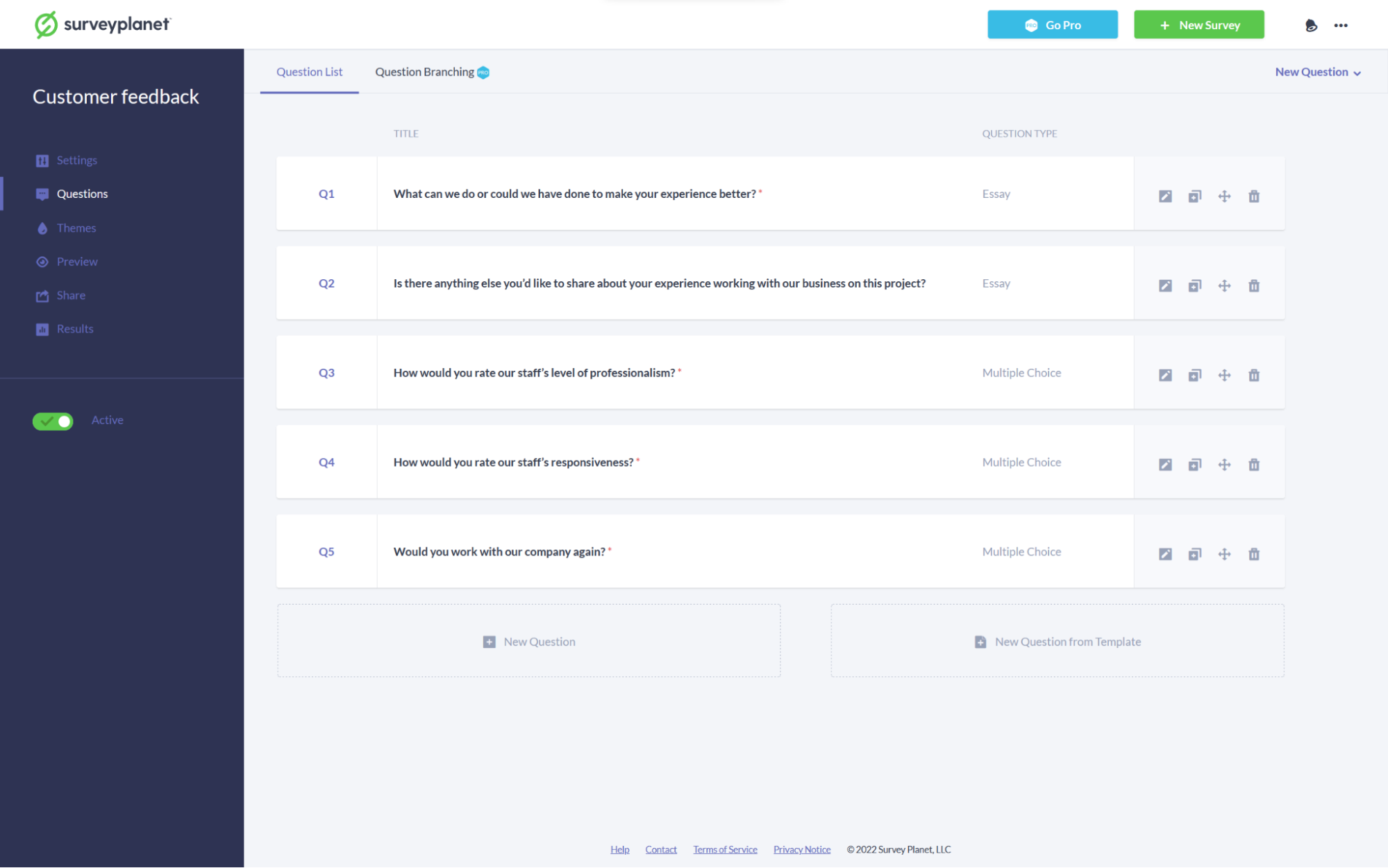
The design of feedback interfaces significantly impacts engagement and response quality. Visual clarity, intuitive controls, and appropriate use of microcopy guide users through the process with minimal friction. Interactive elements such as sliders, star ratings, or clickable options can make the feedback process more engaging and less mentally taxing than open-ended text fields alone. However, while structured inputs facilitate easier analysis, including optional open-text fields allows users to provide richer context, express unique experiences, and suggest improvements that structured questions may not capture.
Motivation is another critical factor influencing the willingness of users to provide feedback. Users are more likely to engage when they understand the value of their input and feel that it will lead to tangible improvements. Communicating how past feedback has informed changes, or acknowledging participation through thank-you messages, builds trust and encourages continued contributions. Incentives, while useful, should be carefully considered; intrinsic motivation, such as contributing to better experiences for oneself or others, often results in higher-quality responses than purely extrinsic rewards.
An often-overlooked component of feedback collection is accessibility. Ensuring that surveys and prompts are accessible to users with varying abilities, including those using assistive technologies, broadens the range of insights gathered and promotes inclusivity. Simple adjustments, such as labeling form fields clearly, providing sufficient contrast, and allowing for keyboard navigation, can significantly improve the user experience for all participants.
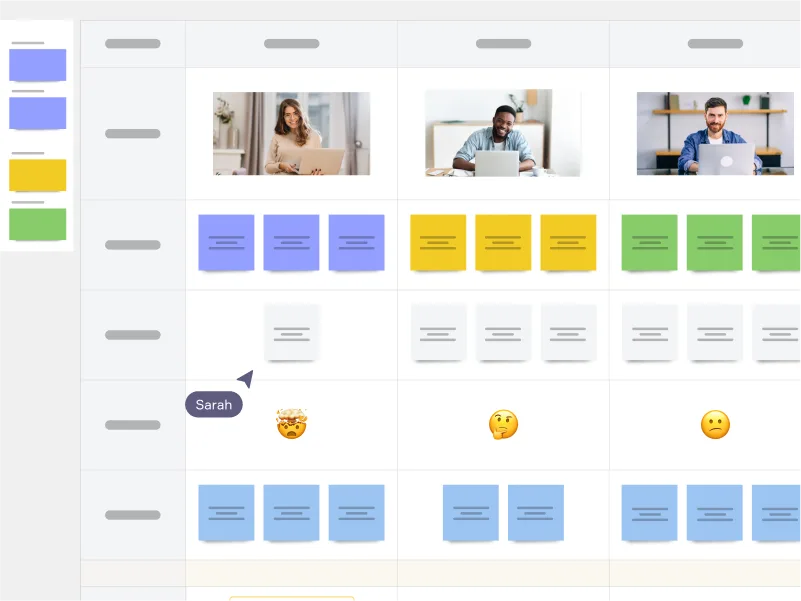
The analysis of feedback is inherently tied to the collection method. Clear, organized, and consistent data facilitates the identification of trends, pain points, and opportunities for enhancement. Quantitative metrics like ratings and completion times are valuable for benchmarking performance, while qualitative responses provide deeper understanding of user emotions, motivations, and expectations. Combining these approaches enables a more holistic view of the user experience, guiding strategic decisions and iterative improvements.
Finally, closing the loop with users is a hallmark of a thoughtful feedback experience. Informing users about how their feedback influenced decisions or led to improvements not only validates their effort but also fosters loyalty and a sense of community. Regular updates on changes implemented based on user input demonstrate accountability and respect, reinforcing the value of feedback and encouraging ongoing participation.
Ultimately, an effective feedback collection experience is a balance of accessibility, clarity, timing, relevance, and motivation. By designing systems that respect users’ time, encourage meaningful participation, and demonstrate the impact of contributions, organizations can cultivate rich insights that drive better outcomes. Continuous refinement of feedback methods, informed by the very insights they generate, ensures that feedback becomes an integral and self-reinforcing component of the overall user experience, promoting both satisfaction and innovation.


Be First to Comment